SyncHub · Integration automation
Keep records in agreement, across the systems you connect.
One managed hub for directory, database, and SaaS synchronization, with reconciliation, audit evidence, dry-runs, approvals, and rollback controls.
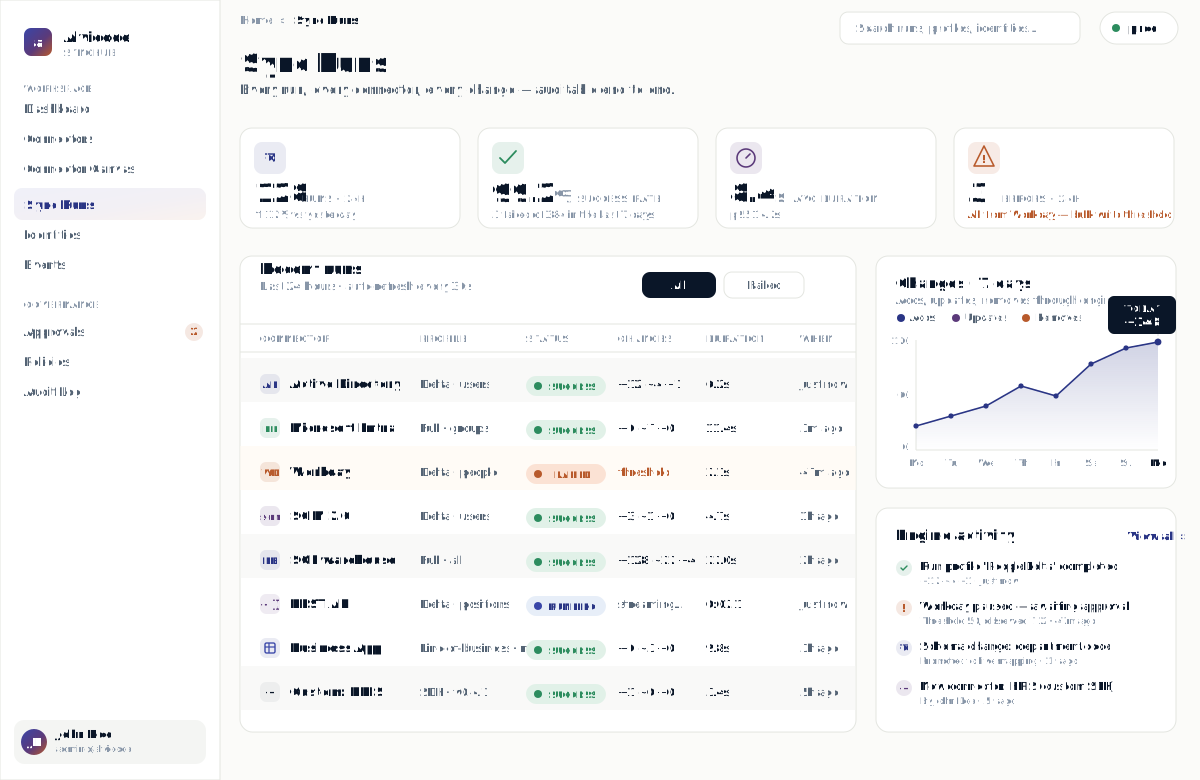
Runs
Every run, every change
Run history, change counts, approvals, and errors in one view. Drill into any run to see what it touched.
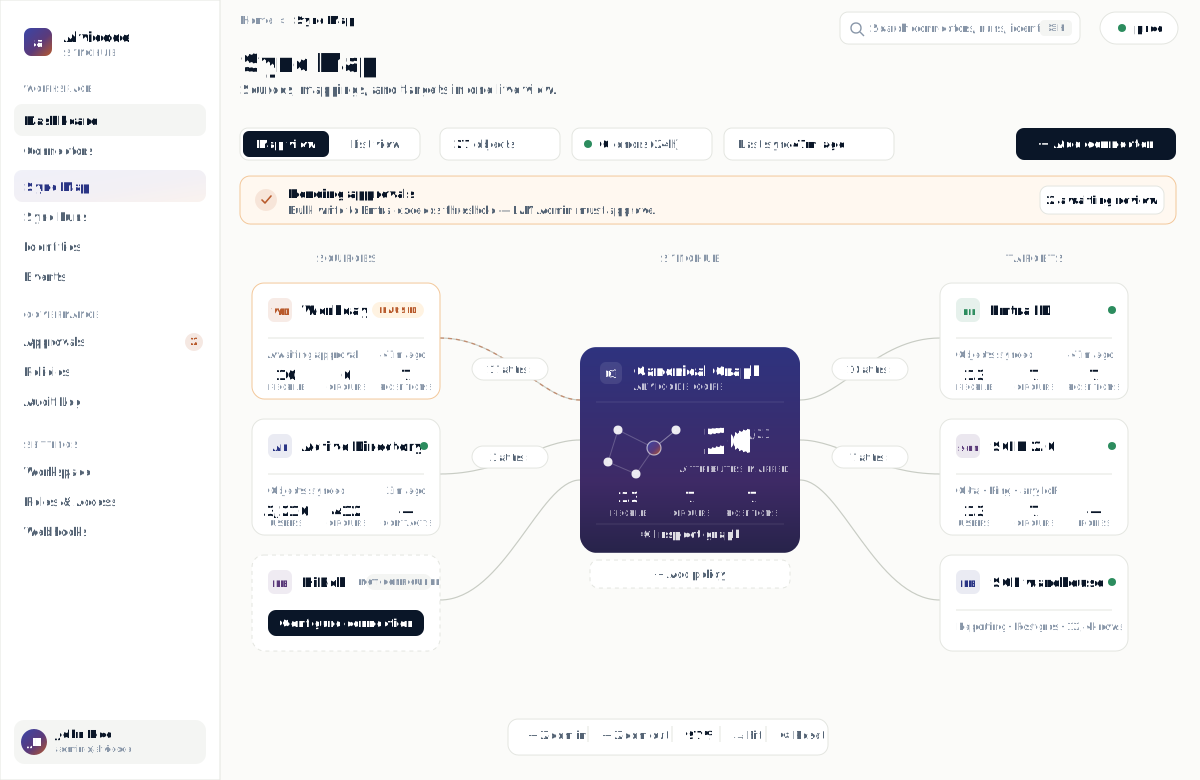
Connector canvas
Mappings you can read
Source-to-target mappings, transforms, and matching rules in one place, versioned and reviewable.
Sync patterns we ship
-
Joiner, mover, leaver
Account state in every connected system stays aligned with the system of record.
-
Directory consolidation
Merge or migrate directories without forcing every downstream system to change at once.
-
SaaS provisioning
Provision and deprovision SaaS access from one place, with a record of every change.
-
Business data sync
Keep customer, partner, or asset records aligned between operational systems.
-
Bidirectional flows
Sync in both directions where the business needs it, with explicit conflict rules.
-
Drift detection
Find records that disagree before they become access failures, billing errors, or support tickets.
What lives inside the engine
- Extensible connectors
- Connectors for common directories, databases, and SaaS, plus an SDK for the systems you already run.
- Mapping and transformation
- Field mapping, transformation, and matching rules that are reviewable and versioned.
- Reconciliation
- Detect drift, propose changes, and apply them with the approval level the change needs.
- Safe by default
- Dry-runs, change limits, approvals, and rollback on every run. No silent mass updates.
- Operational visibility
- Live run status, queues, error budgets, and the change history per record.
- Audit evidence
- One structured event per change, ready for security, compliance, and operations review.
What changes with SyncHub
- Fewer custom scripts
- One managed engine instead of bespoke jobs scattered across teams and servers.
- Predictable runs
- Scheduled, event-driven, or on-demand. Same operating surface either way.
- Change you can review
- Every sync run shows what changed, where, and why, with the option to revert.
- Change safely
- Connector tests, dry-runs, and reviewed mappings make changes visible before production.
- Hosted your way
- Web service or console. Your Kubernetes, your cloud, or managed in European regions.
- Audit-ready by design
- A real timeline per identity and per record. Compliance evidence stops being CSV exports.
Common questions before a pilot
-
How is this different from SCIM or a built-in directory sync?
SCIM and built-in syncs cover specific source-target pairs. SyncHub covers directories, databases, SaaS, and custom systems with one console and one audit trail.
-
What kinds of records can it sync?
Identities and access first. Also customer, partner, asset, or any record where two systems need to agree.
-
Can we write our own connectors?
Yes. A connector SDK lets your team add systems we do not ship, with the same testing and operating model.
-
What happens when two sides disagree?
Conflict rules decide. You can let the source win, require approval, or quarantine the record for review. Every choice is recorded.
-
Where does it run?
Container-native. Your Kubernetes, Azure App Service, or managed in European regions.
Ready to scope a pilot?